



 Redazione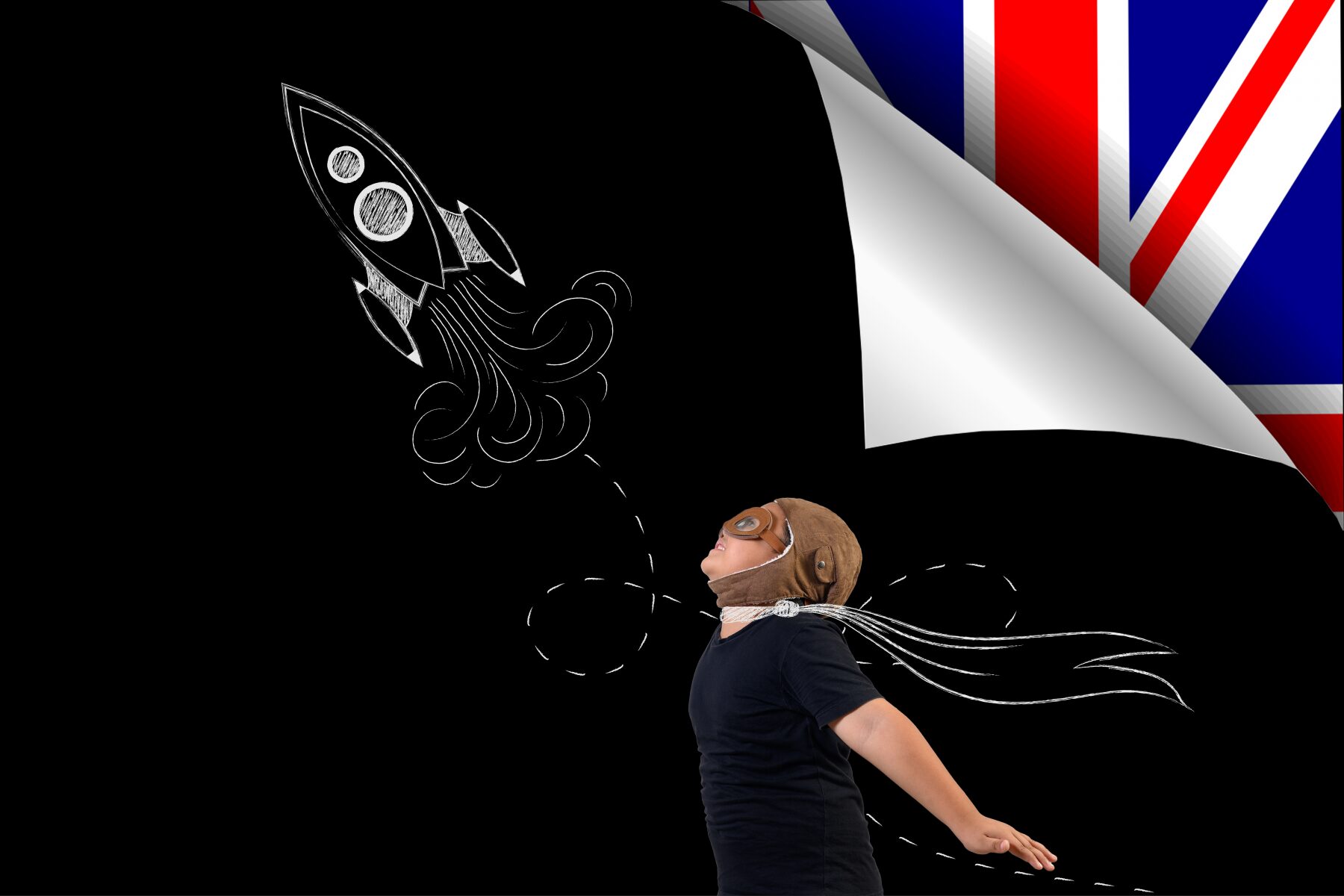
In his speech at the 2020 Bett ShowPieCorbett – English educator, author, poet and writer of more than two hundred books – spoke about the importance of bringing creativity and imagination into the world of education. His Talk for Writing learning program, which is widely used within the English school system, is based on learning mechanisms and on the transition from imitation – which is essential for learning – to innovation up to the application of what has been learned. This learning mechanism, according to Pie Corbett’s approach, can be adapted to different ages and respond to the specific needs of learners.
Here is an excerpt from Pie Corbett’s speech (you can read the article in Italian here):
«Two fundamental aspects of education are creativity and imagination. If you imagine a world without those two aspects, you will see there would be no new ideas or inventions or advance in medicine. There would be no solutions to the problems that we have and no hope of change or improvement. So, we need to bring creativity into education.
New ideas may come occasionally from blinding revelations, but generally it is not like that. We refine and develop our skills and we improve our knowledge to begin to rearrange things that we know in new ways. That’s why I do not think creativity is a form of magic and I think it can be taught.
Imagination is central to create creativity. You cannot develop the ability to imagine without the imagination being fed, and for that to happen you need the ability to create an imagine in children’s heads. This way you will create the environment for creative experimentation.
This begins with very small children through play and through teachers extending the possibilities of what might happen in play: to a creative child, all things are possible. Sadly, as we grow, we lose that easiness, but for small children the world is new, so they use new languages.
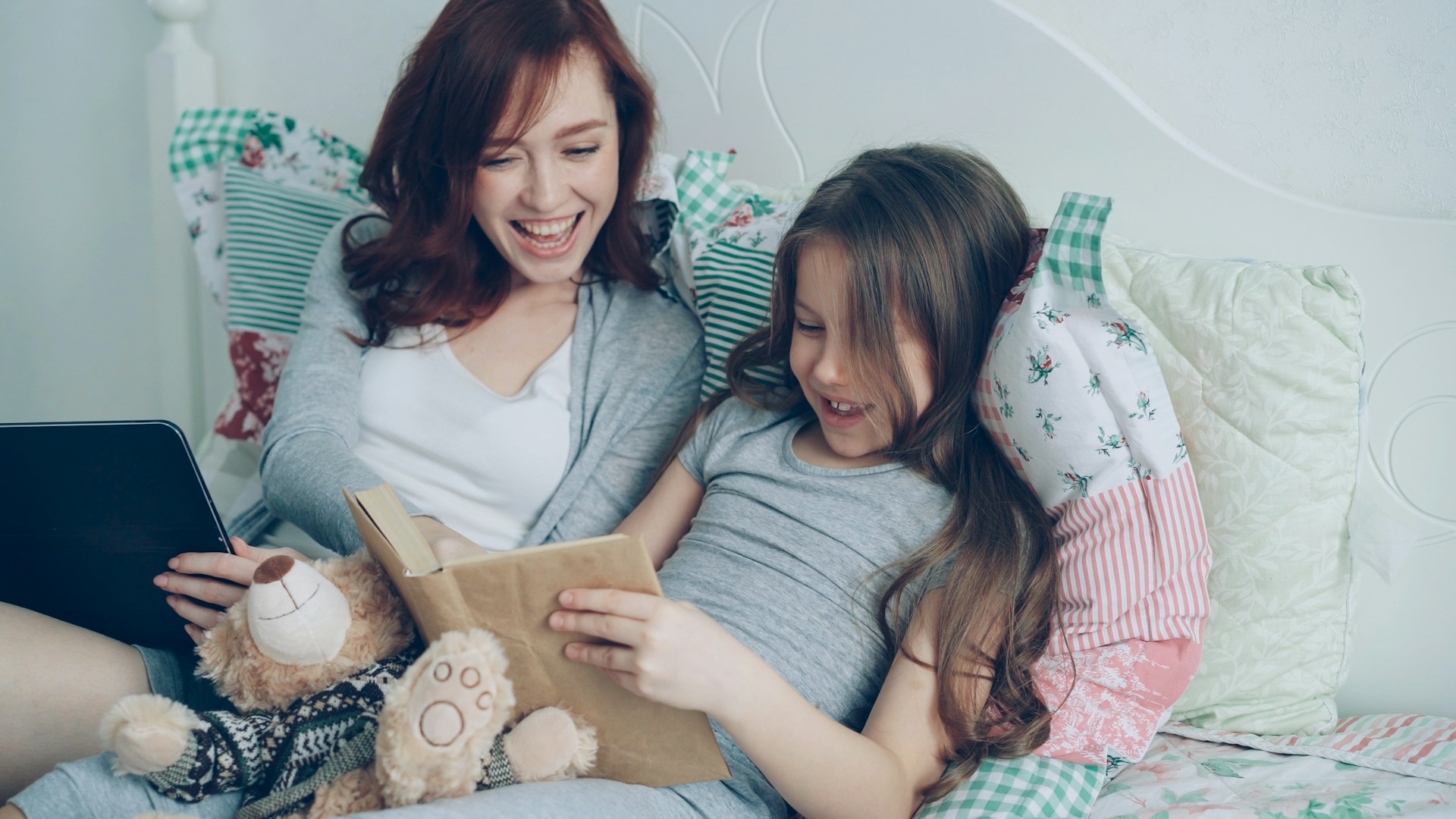
Reading also helps building the imagination, as through books we can travel to other worlds. Reading, for me, is like a big arena where we feed imagination. We can develop the ability to think in the abstract and the ability to hold an idea and follow it for a long period of time.
In the end, creativity is about generating new possibilities. For this reason, there needs to be an inner critic inside us, a judge who identifies our best ideas and pushes us to pursue it and carry it out. We can train children to do that, we can strengthen their ability to imagine and enjoy their creativity.
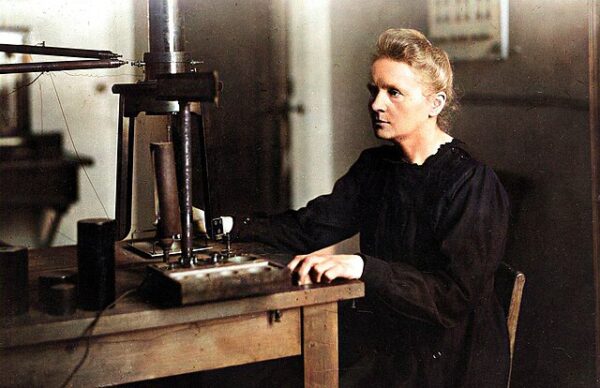
Creativity is the catalyst that helps us bring about positive change also in science: you are going to be a great mathematician or a great scientist only if you are creative. Many of the technological advances that we have made were born in the mind of fiction writers, because they could imagine what would have happened years later. Authors have imagination that allows them to dream our future.Knowledge is great because it gives us new information, but you need imagination and creativity in order to manipulate your knowledge and improve society.
Creativity is a necessity in education because education is a revolutionary act. The opposite of creation is destruction, so if you work in difficult and demanding schools you need to develop student’s creativity even more, reading, doing storytelling and so on.
Imagination is a form of daydreaming and you can surely train children to be able to imagine.»

 Angela Schisa - DFI Books
 Roberto Castaldo - DFI Books